Two injured workers can have the same diagnosis, receive similar treatment, and still experience very different recoveries.
Why?
Because injured workers do not recover in a vacuum.
That was one of the important themes discussed at the 2026 National Workers’ Compensation and Disability Conference, during a panel moderated by Benedict Nwachukwu, MD, MBA, CEO and co-founder of Best In Class MD (BICMD). Leaders from Sedgwick, PepsiCo, and American Equity Underwriters joined Dr. Nwachukwu to discuss why musculoskeletal claims become complex and what employers, carriers, TPAs, adjusters, and case managers can do differently.
The conversation reinforced an important point: getting the clinical diagnosis and treatment right is essential. But successful treatment does not automatically guarantee successful functional recovery.
Sometimes the barrier is somewhere else entirely.
What Happens Outside the Exam Room Matters
A straightforward shoulder, knee, or back injury can become much more complicated when an injured worker is also worried about keeping a job, losing income, finding transportation, or caring for a child or aging parent.
Language barriers can create another obstacle. Even something as simple as not understanding how workers’ compensation works. Psychological factors like these do not appear on an MRI, they may not be documented in the medical record either. However, they can influence whether someone attends physical therapy or if they understand restrictions.
Patients may not follow a treatment plan and can feel less confident about returning to work if they don’t know the process. Recognizing those factors does not mean questioning whether an injury is real. It means understanding what could prevent an otherwise appropriate treatment plan from succeeding.
Sometimes the Most Important Question Is a Simple One:
During the panel, Sedgwick shared a practical approach for claims professionals: listen for what is happening beyond the injury. One of the questions discussed was essentially, “What is your biggest concern right now?”
That question can reveal information that would never surface through a physical exam or a diagnosis code.
One panelist described an injured worker with a relatively straightforward claim who was becoming increasingly anxious and frustrated. After several conversations, she learned that he and his fiancée were expecting their first child. His primary concern was not the medical treatment itself, he was worried about his reduced income and when he would receive his full paycheck.
Once the team understood what was driving his anxiety, they could communicate with him differently and manage the claim with that concern in mind. For adjusters and case managers, this is an important distinction. What looks like disengagement or frustration may have a very understandable cause.
Clear Communication Is Part of Good Care
Workers’ compensation professionals use terms such as degenerative changes, partial-thickness tear, and pre-existing condition every day.
An injured worker may be hearing them for the first time.
Without an explanation, a word like “tear” can sound alarming. It may lead someone to believe that surgery is inevitable or that movement could make the injury worse.
The panel emphasized the value of slowing down and explaining findings in plain language. The goal is not to oversimplify the diagnosis, it is to make sure the injured worker understands what the diagnosis actually means and what happens next. A few minutes of clear communication can reduce uncertainty. It can also build trust and help the injured worker become a more active participant in recovery.
When the Surgery Goes Well but Recovery Does Not
One of the panel’s case discussions showed just how quickly nonclinical barriers can change the trajectory of a claim.
The (hypothetical) injured worker had undergone shoulder surgery. Ten weeks later, the surgeon reported that the procedure had gone well, yet the worker was falling behind expected milestones. There had been missed rides to appointments and an interpreter had not consistently been present for follow-up discussions. Further, the physical therapy team reported patient weakness, and a plateau in progress.
Another issue then emerged: the worker was afraid to move the shoulder. This fear of movement, known as kinesiophobia, can become a real barrier to rehabilitation. The injured worker was essentially asking, Is my shoulder okay? Can I safely use it? The problem was no longer simply the repaired shoulder.
Look for the Roadblock Before Adding More Treatment
When an injured worker is not progressing as expected, adding more treatment is often the reflexive action. However, it is not always the best answer. Sometimes the better question is what has changed, or what may be getting in the way of the recovery plan?
The shoulder case discussed during the panel was a good example. The surgery had gone well, but ten weeks later, the injured worker was still struggling. Rather than treating the situation as a surgical failure, the team addressed several problems that had developed along the way. They were then able to fix the problems instead of authorizing more surgery. In this case, physical therapy was increased and included Spanish-speaking therapists. They were able to arrange reliable transportation for the patient to go to appointments, and the surgeon became involved in helping the worker feel more comfortable using the shoulder again.
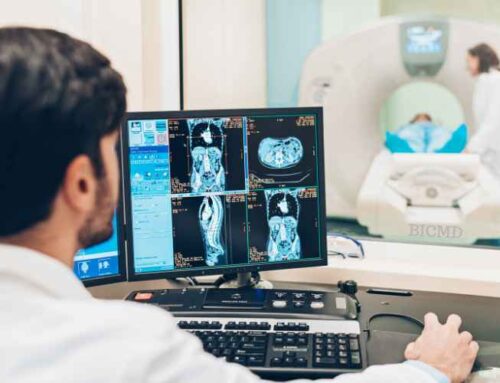
Dr. Nwachukwu also discussed how postoperative imaging can sometimes help when fear becomes part of the problem. If the repair looks structurally sound, reviewing those results with the injured worker can offer reassurance that it is safe to continue rehabilitation. Clear conversations about returning to work and the timeline the surgeon expects can also provide reassurance and direction.
In a case like this, the question is not simply whether more care should be authorized. It is whether the current care has been given a fair chance to work. If transportation, communication, fear, or another barrier interferes with recovery, addressing that problem may do more to move the claim forward than adding another service.
Return to Work Should Be Part of the Plan, Not the Last Step
The panel also challenged the idea that an injured worker needs to finish recovering before anyone starts talking seriously about returning to work. When modified duty is available and medically appropriate, returning to the workplace can become part of the recovery plan rather than something that happens at the very end.
PepsiCo discussed preparing modified job opportunities ahead of time and matching them to different stages of an employee’s recovery. That gives the treating provider, claims team, and employer a clearer picture of what may actually be available as restrictions change. It also avoids reaching the later stages of a claim only to discover that no one has worked out how the employee will transition back.
The discussion also touched on something that can be easy to overlook: people may miss more than a paycheck when they are away from work. For employees who have spent years with the same company and coworkers, the workplace can be an important part of their daily routine and social network. Extended time away can leave some injured workers feeling increasingly disconnected from that part of their lives.
A safe, gradual return to work can help restore some of that normalcy while recovery continues. Instead of viewing return to work as a finish line, the panel encouraged employers and claims teams to consider how the workplace itself can support the path back to function.
Identify Barriers Before They Become Claim Complexity
Psychosocial risk should not become something claims teams look for only after a case has stalled. By that point, the injured worker may already be frustrated and may have missed therapy appointments. Fear may have increased and communication among stakeholders may have broken down.
Earlier identification creates more options. For employers, carriers, TPAs, adjusters, and case managers, that means looking beyond the diagnosis and asking:
- Does the injured worker understand the diagnosis and recovery plan?
- Are language or transportation barriers interfering with care?
- Is financial stress affecting engagement?
- Is the worker afraid of reinjury or movement?
- Are the employer and provider aligned on transitional duty?
- Does everyone understand the next milestone?
These are not separate from clinical care. They can determine whether clinically appropriate care ultimately translates into functional recovery.
Connecting the Dots in MSK Claims
The larger message from the National Comp panel was not that every difficult claim requires another program, vendor, or layer of management.
It was that the pieces need to connect.
A strong clinical diagnosis matters. The right specialist matters. Timely rehabilitation matters. But so do communication, trust, workplace support, and an understanding of what may be happening in the injured worker’s life outside the exam room. When those pieces are identified early and managed together, claims teams have a better opportunity to keep recovery moving forward and support a safe, sustainable return to work.
For BICMD, this is also central to a value-based approach to musculoskeletal care: the goal is not simply to complete treatment. It is to help appropriate treatment translate into meaningful functional recovery.
Need to Know
A clinically successful treatment can still lead to a difficult workers’ compensation claim when psychosocial or workplace barriers are overlooked. Early identification of fear, communication gaps, transportation problems, financial concerns, and return-to-work barriers can help keep recovery on track.
At BICMD, we help case managers, employers, carriers, and TPAs connect injured workers with the right orthopedic expertise at the right time. Through early clinical guidance, expert medical opinions, and coordinated surgical pathways, BICMD helps remove barriers, keep recovery moving forward, and support a safe, sustainable return to work. Contact BICMD to learn how we can help improve outcomes on your complex musculoskeletal claims.